
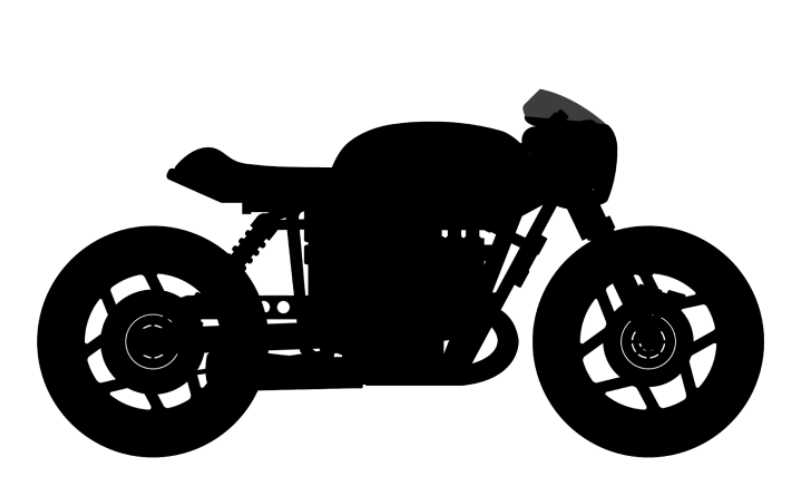

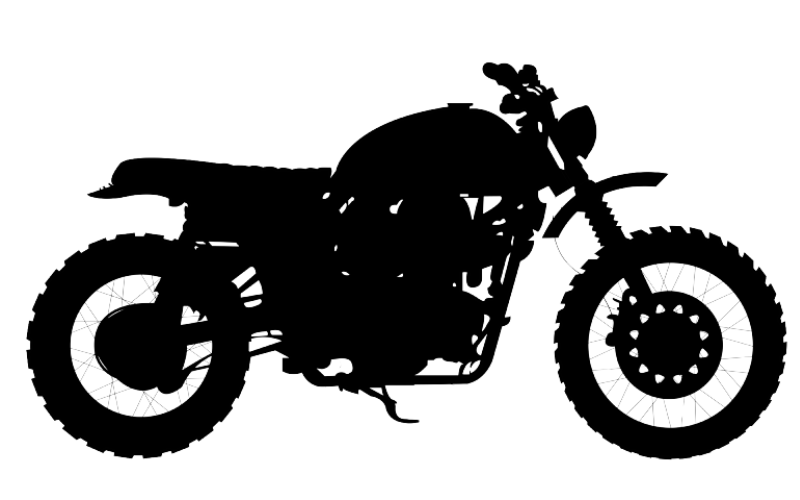

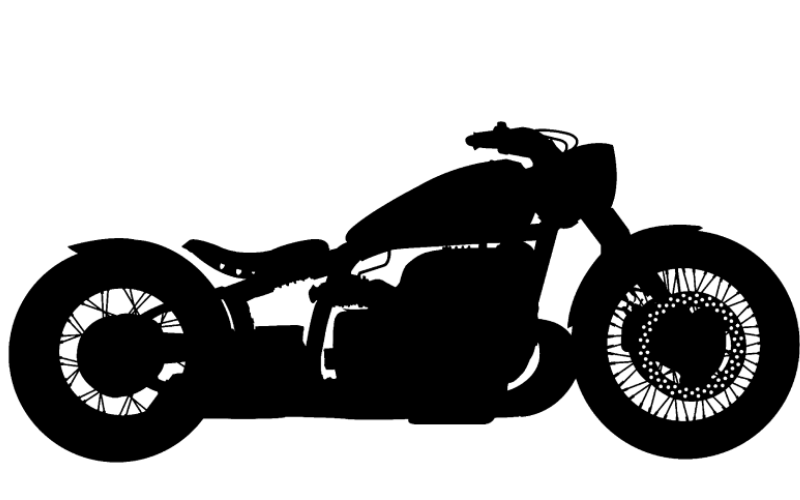

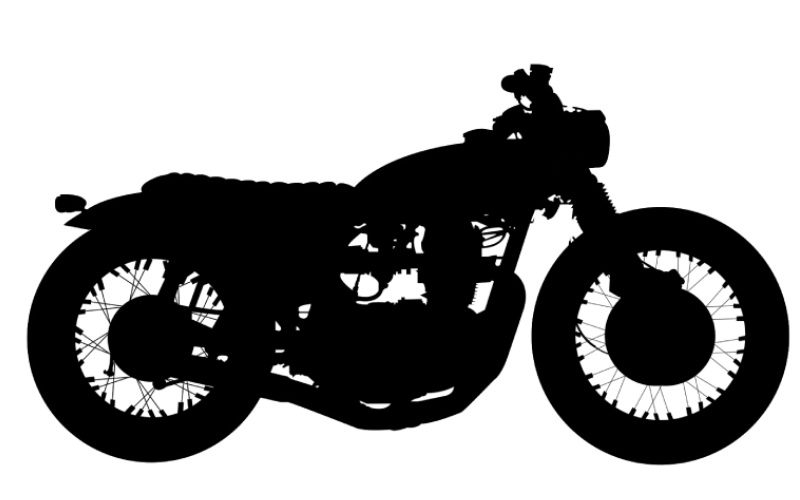






















Harley Davidson is inseparable from the history of the bobber motorcycle. As early as the 1940s, American bikers started stripping down their Harley Davidson motorcycles to make them lighter and faster. This grassroots movement gave birth to the bobber culture, which eventually spread across the globe.
The term "bobber" itself comes from the practice of "bobbing" — cutting away anything unnecessary to reduce weight and improve performance. And no brand embodied this spirit more than Harley Davidson.
Among the iconic Harley models that became legendary bobber platforms:
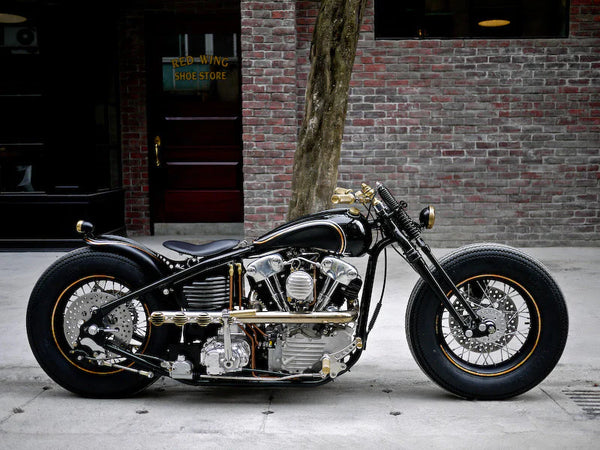
The Harley bobber continues to attract motorcyclists worldwide, and it's easy to understand why.
The style is unmistakable. A bobber motorcycle is defined by its minimalist, stripped down aesthetics. Low profile, clean lines, no unnecessary bulk. When built on a Harley platform, the result is a custom motorcycle that commands attention wherever it goes.
The performance is real. By removing excess weight (fenders, passenger hardware, unnecessary brackets), a Harley bobber becomes noticeably quicker and more responsive than the stock bike. Combined with a torquey V-twin engine, the riding experience is raw and engaging.
The heritage runs deep. The Harley bobber isn't just a style choice. It's a direct connection to over 80 years of American motorcycle culture, from post-war garage builds to today's professional custom shops. Riding one means being part of that history.
A Harley Davidson bobber stands out through its minimalist philosophy: strip it down, make it lighter, make it look mean. Here are the defining features that separate a true bobber motorcycle from a stock cruiser.
Frame: The original frame is often modified to remove unnecessary brackets and mounts. Front fender brackets, passenger footpegs, saddlebag mounts, and rear subframe sections are typically cut or replaced. Some builders go further with a hardtail conversion, welding a rigid rear section for the classic bobber silhouette.
Fenders: The front fender is almost always removed entirely. The rear fender is shortened and trimmed to a minimum, giving the bike its signature "bobbed" look. This is where the name bobber originally comes from.
Seat: A Harley bobber is a solo machine. The seat is typically a slim, sprung solo saddle mounted directly to the frame or on springs for comfort. No passenger seat, no compromise.
Fuel tank: The stock tank can be kept for a more subtle build, or replaced with a smaller peanut or Sportster style tank for a more aggressive, minimalist profile. At Remmotorcycle, we offer several tank options suited for bobber builds.
Engine: The heart of every Harley bobber is its V-twin engine. Whether it's a classic Shovelhead, an Evolution 1200, or a modern Twin Cam, the Harley V-twin delivers the low end torque and unmistakable sound that define the bobber motorcycle experience. Many builders add a Stage 1 kit (exhaust, air filter, remap) for extra punch.
Suspension: Lowered suspension is a hallmark of the bobber style. Shorter shocks at the rear and sometimes lowered fork internals at the front give the bike an aggressive, ground hugging stance. For riders who want more performance, quality shocks from brands like Progressive Suspension or Öhlins offer both style and function.
Wheels and tires: A wide rear tire (often 150mm or more) is a signature visual element of any Harley bobber. Wheels can be chrome spoked for a vintage look or black alloy for a more modern feel. The combination of a wide rear and slim front creates the classic bobber proportions.
Handlebar: Most Harley bobbers feature wide, pulled back handlebars. Ape hangers, mini apes, or Z-bars are the most popular choices. The handlebar defines the riding posture and overall character of the custom motorcycle.
Controls: In keeping with the minimalist philosophy, controls are stripped to the essentials. Clean brake and clutch levers, simple grips, and often relocated or hidden switches. Everything serves the "less is more" approach that makes a bobber bike so appealing.
Perhaps the greatest appeal of building a Harley bobber is the unlimited potential for personalization. Every aspect of the motorcycle can be modified to reflect your vision: the paint, the exhaust note, the riding position, the stance. No two bobber motorcycles are alike, and that's the whole point.
Whether you're starting with a Harley Davidson Sportster, a Softail, or a vintage Shovelhead, the bobber platform lets you create a truly one of a kind custom motorcycle that tells your story.
Finally, no discussion of the Harley bobber is complete without mentioning the sound. The deep, rhythmic rumble of a V-twin engine with open pipes is one of the most distinctive sounds in motorcycling. Without fairings or mufflers to dampen the exhaust note, a Harley bobber announces its presence long before it comes into view.
It's not just noise. It's personality. And it's one of the reasons riders keep coming back to the Harley Davidson bobber as the ultimate expression of custom motorcycle culture.
Ready to start your own Harley bobber build? Explore our bobber parts and accessories and find everything you need to bring your vision to life.
Comments will be approved before showing up.