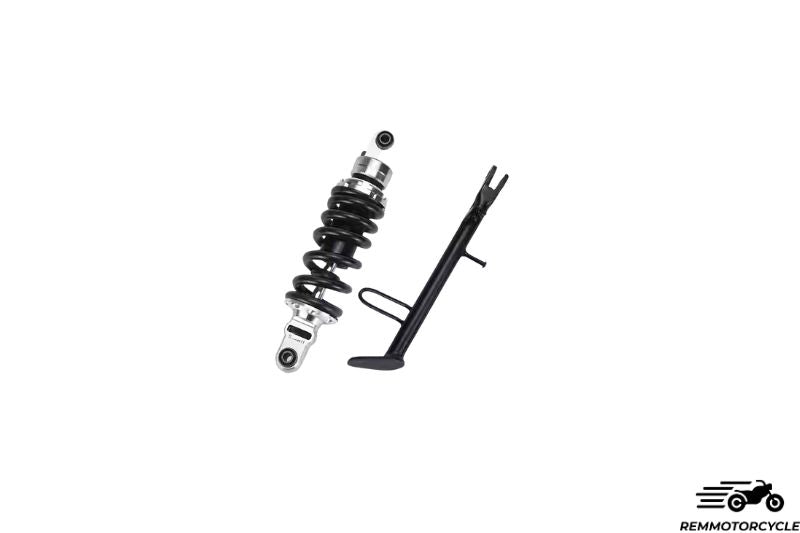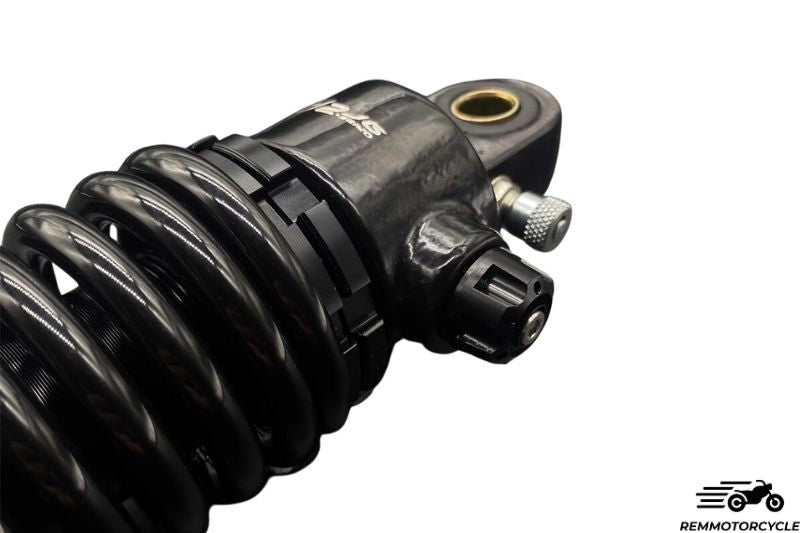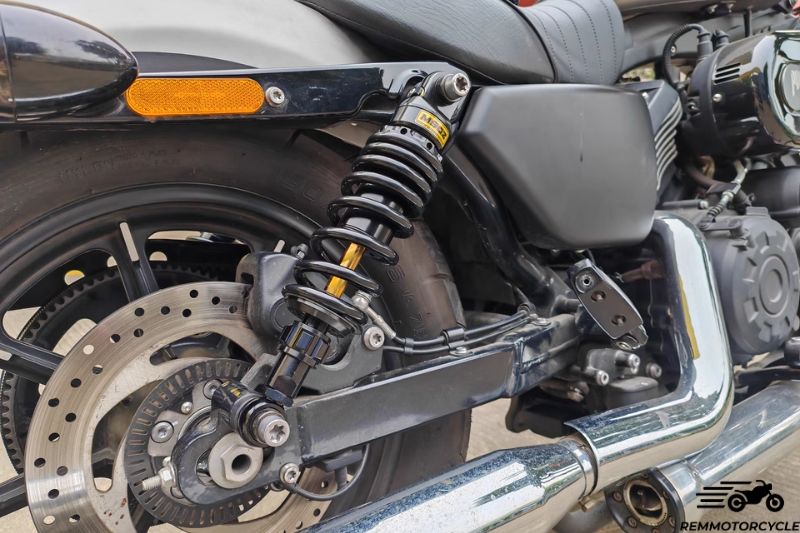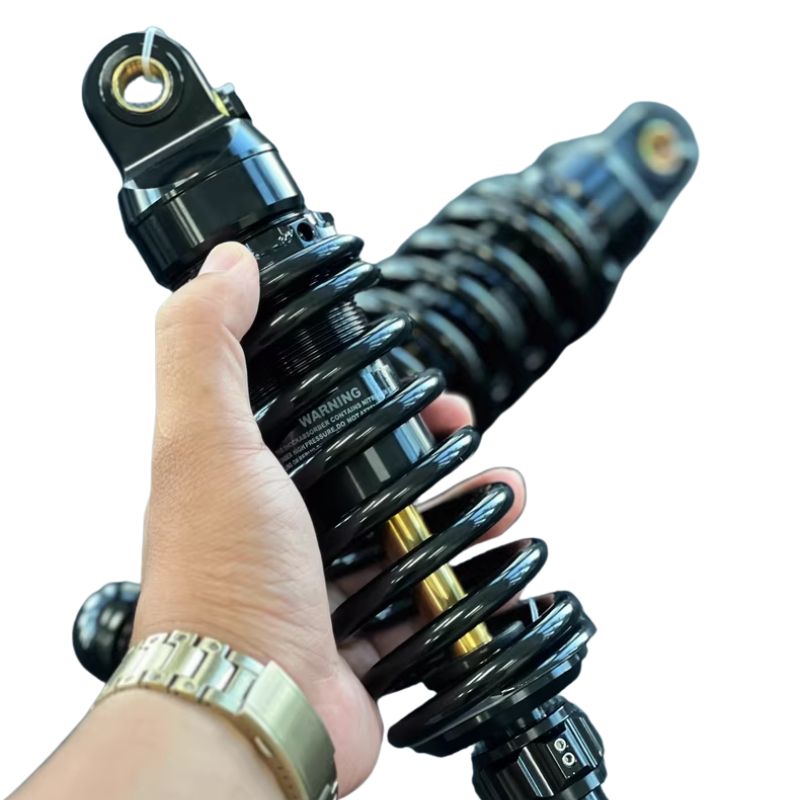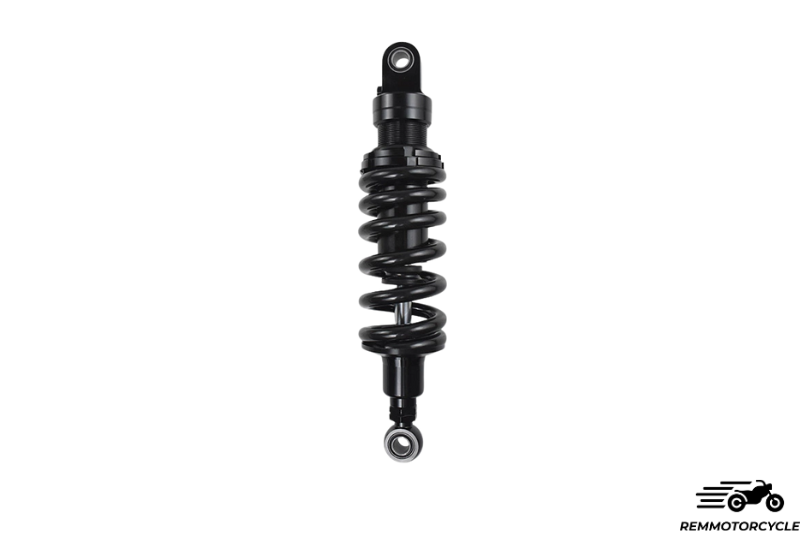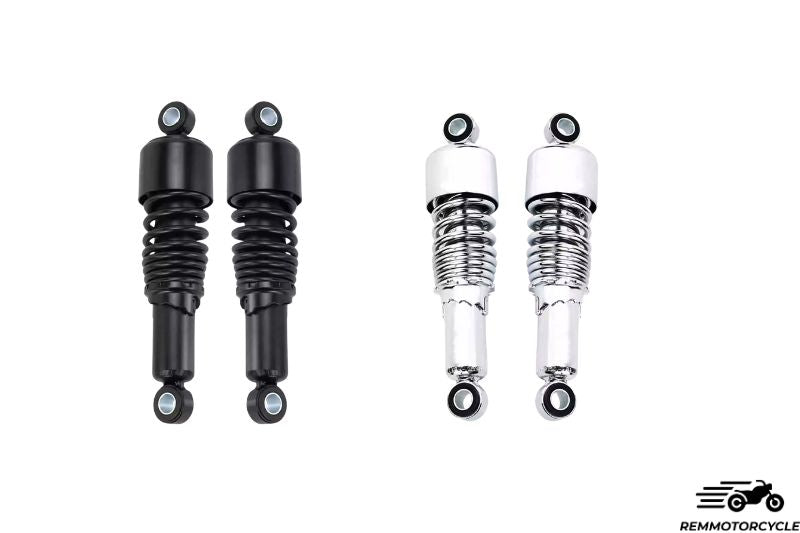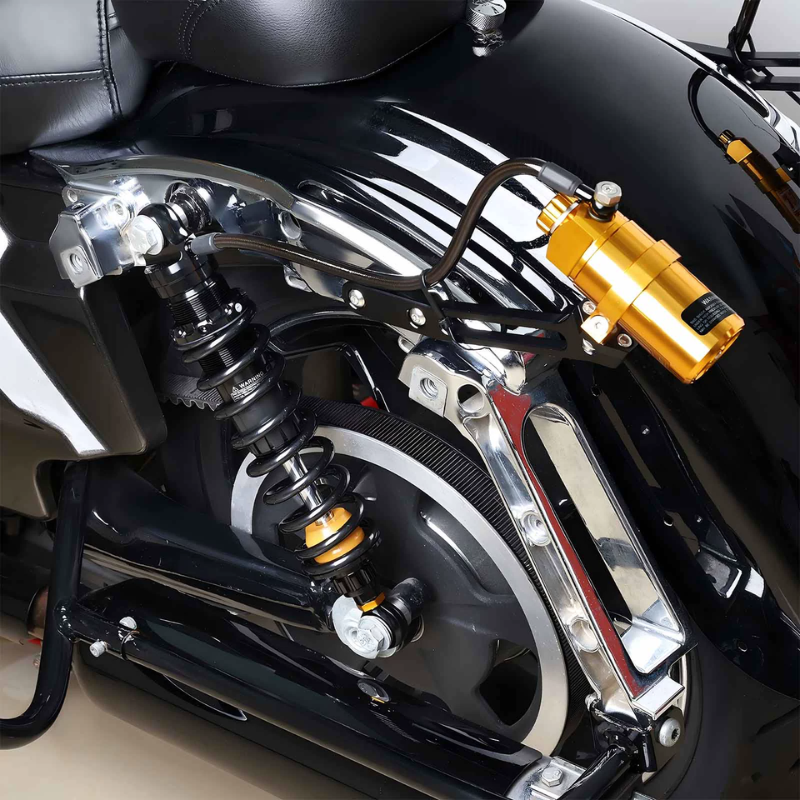


























A motorcycle rear shock absorber is the component that absorbs vibrations and impacts caused by road irregularities while riding. Typically located between the frame and the rear wheel, it works by compressing and decompressing a fluid (oil or air) to dampen the wheel's movements and keep the tire in contact with the road.
Upgrading to a high quality rear shock absorber is one of the most effective ways to improve your motorcycle's stability, handling, and overall ride comfort. Whether you ride a cruiser, a bobber motorcycle, or a sport bike, the right suspension setup transforms the riding experience.
Wear and tear. Shock absorbers degrade over time. If you notice your bike pitching under braking, the rear wheel bouncing excessively, or a general loss of control over rough surfaces, your rear shocks are likely worn out and need replacement. Most factory shocks have a lifespan of 20,000 to 40,000 km depending on riding conditions.
Performance upgrade. Factory motorcycle shock absorbers are designed as a compromise for the average rider. Aftermarket shocks from brands like YSS, Progressive Suspension, Öhlins, or Hagon offer dramatically better damping, adjustability, and build quality. If you want your bike to handle better in corners, feel more planted at speed, or simply ride smoother, upgrading your shocks is the single best suspension investment you can make.
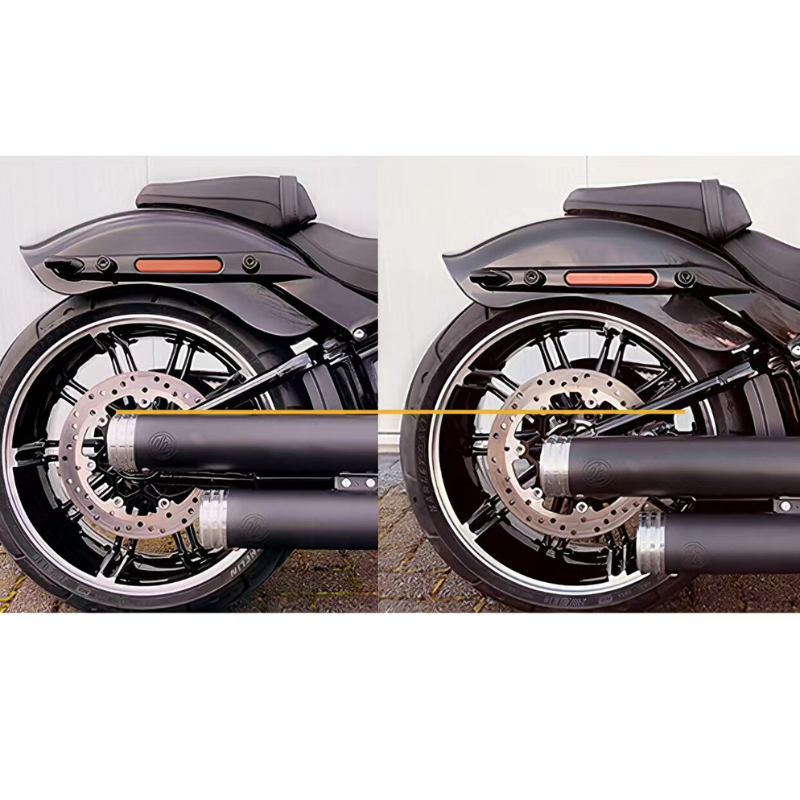
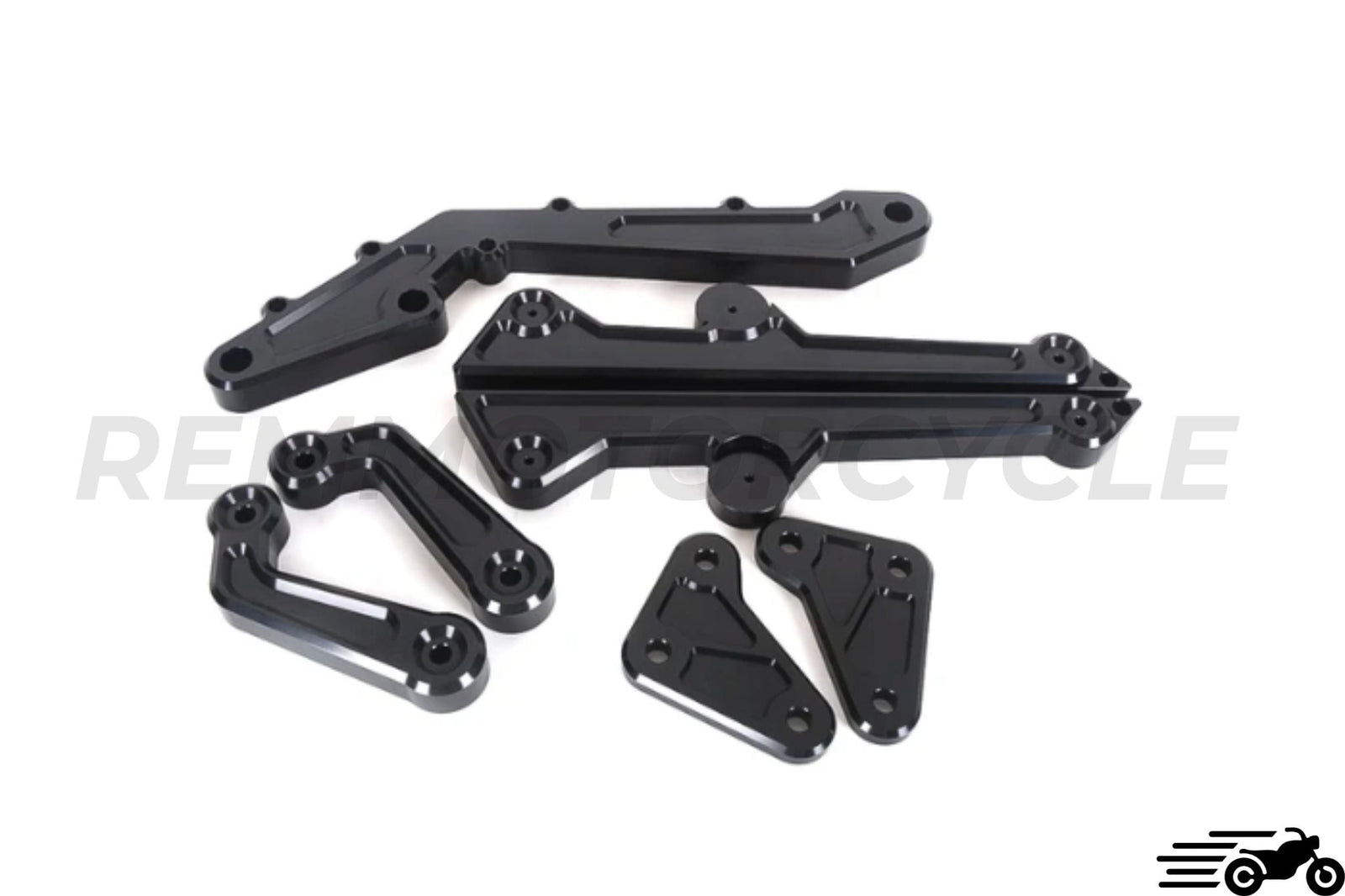
Customization. Changing your rear shock absorber also lets you adjust the ride height and stance of your motorcycle. For bobber and custom motorcycle builds, shorter or longer shocks can completely change the bike's profile. Lowered shocks give that aggressive, slammed look, while longer units improve ground clearance and cornering ability.
Damage. Shocks can be damaged from accidents, hard impacts, or simply from years of use. Leaking oil, bent shafts, or corroded springs are all signs that your motorcycle shock absorber needs immediate replacement for safety.
If you're unsure about the condition of your shocks, consult a professional mechanic. For higher end units, reconditioning services are also available and can restore performance at a fraction of the replacement cost.
There are two main categories of motorcycle rear shock absorbers, each with distinct characteristics.
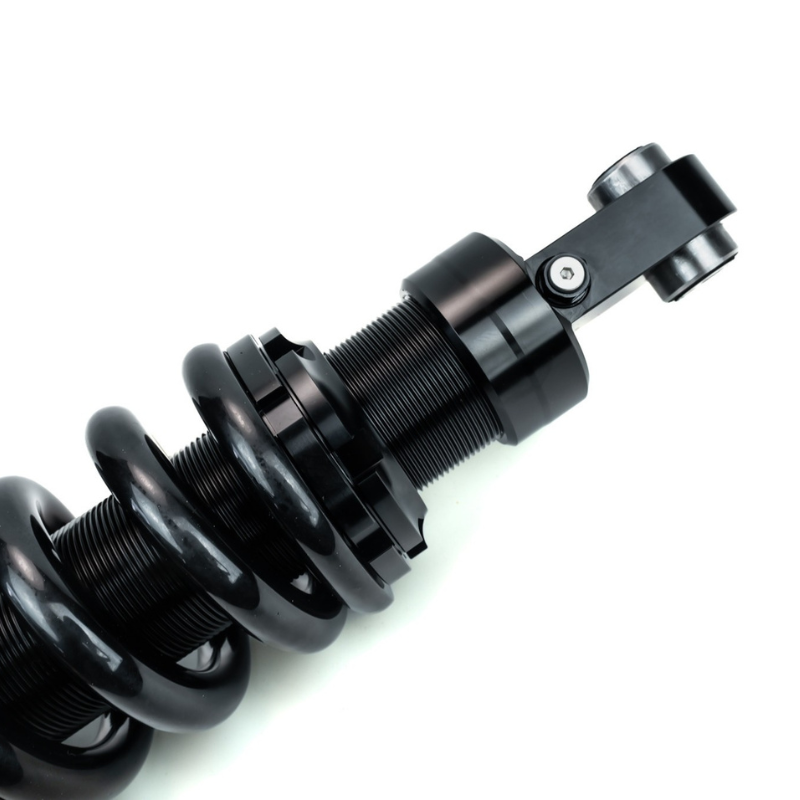
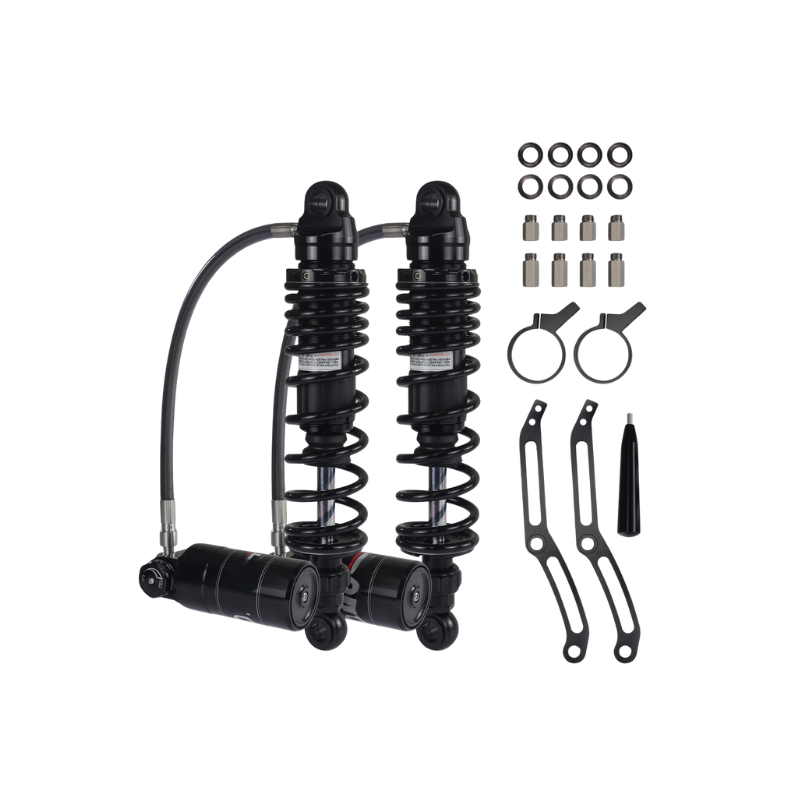
Spring shocks are the most common and traditional type. They use a metal coil spring combined with a hydraulic damper to absorb road vibrations and impacts. Most factory motorcycles come equipped with basic spring shocks. They are affordable, reliable, and available in a wide range of sizes and spring rates. Many aftermarket spring shock absorbers offer preload adjustment, allowing you to fine tune the suspension for your weight and riding style.
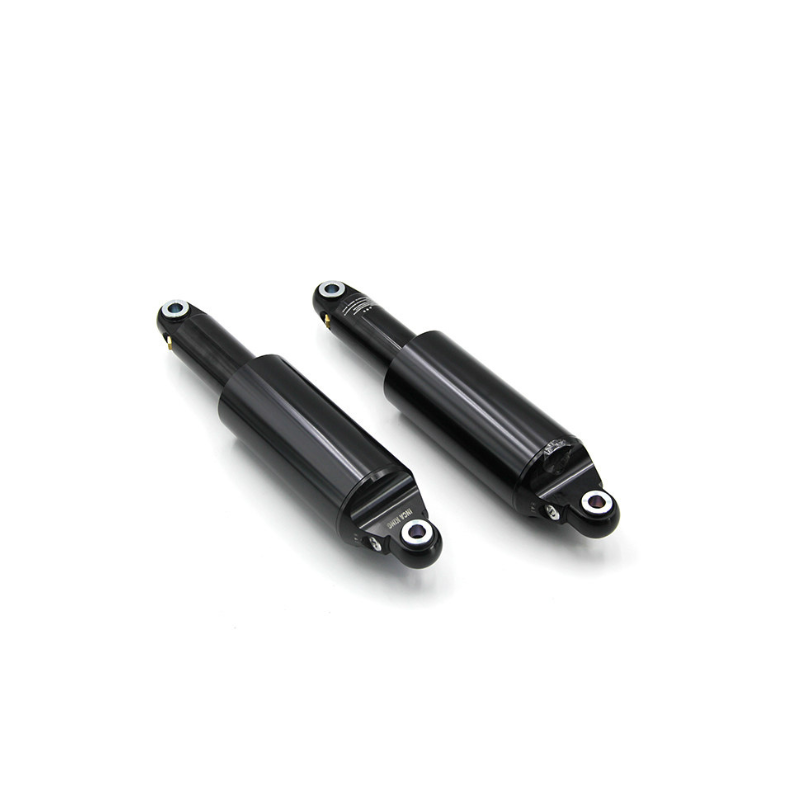
Gas charged shocks (also called emulsion or piggyback shocks) use pressurized nitrogen in addition to hydraulic oil. The gas prevents the oil from foaming under heavy use, which means more consistent damping performance during long rides or aggressive riding. Gas shock absorbers tend to be lighter, more responsive, and more durable than standard spring units. They are the preferred choice for performance upgrades on custom motorcycles, sport bikes, and touring machines.
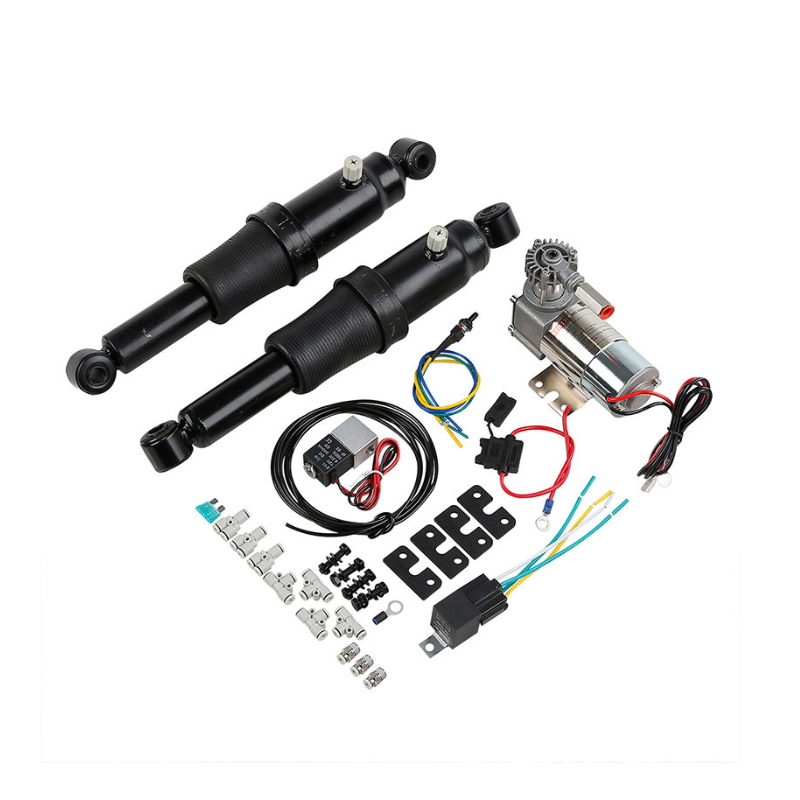
At the top end of the spectrum, semi active and electronic shock absorbers use sensors and algorithms to automatically adjust damping in real time based on road conditions, speed, and rider input. These systems are typically found on premium sport bikes and touring motorcycles. While they deliver the best possible ride quality, they come at a significantly higher price point and are rarely used in custom motorcycle or bobber builds.
When selecting a new motorcycle rear shock absorber, consider these key factors:
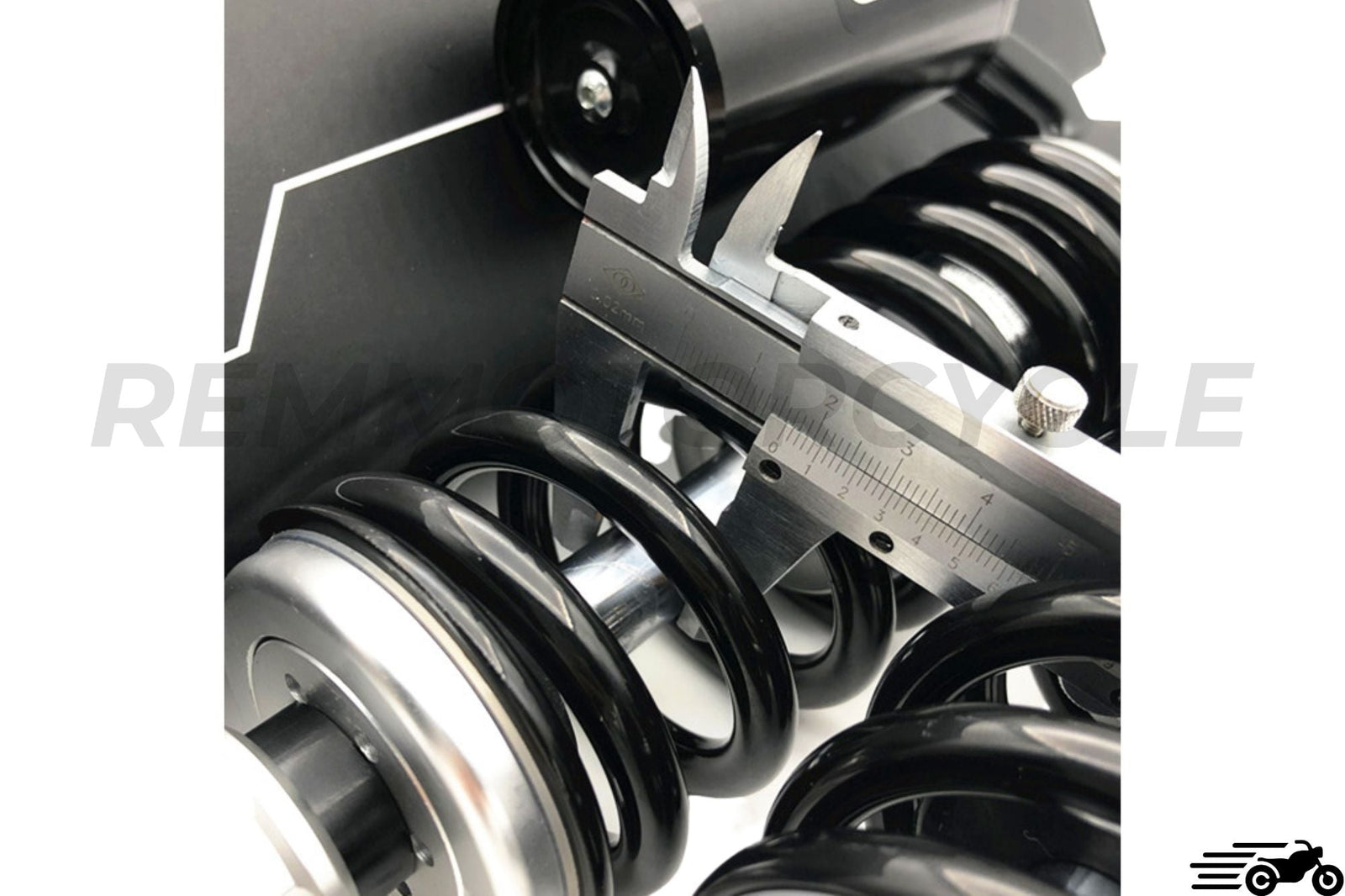
Compatibility. Make sure the shock fits your specific motorcycle model. Check the eye to eye length (measured in mm), mounting type (eye/eye, eye/clevis, or clevis/clevis), and spring rate for your weight.
Riding style. If you ride a bobber or cruiser, prioritize comfort and stance. For sport riding, look for fully adjustable shocks with compression and rebound damping settings. For touring, choose shocks rated for heavier loads.
Budget. Quality aftermarket shocks start around $100 for basic upgrades and can exceed $500 for premium gas charged units with full adjustability. Even a mid range upgrade will feel dramatically better than worn factory shocks.
Browse our selection of motorcycle shock absorbers to find the perfect fit for your bike and riding style.