























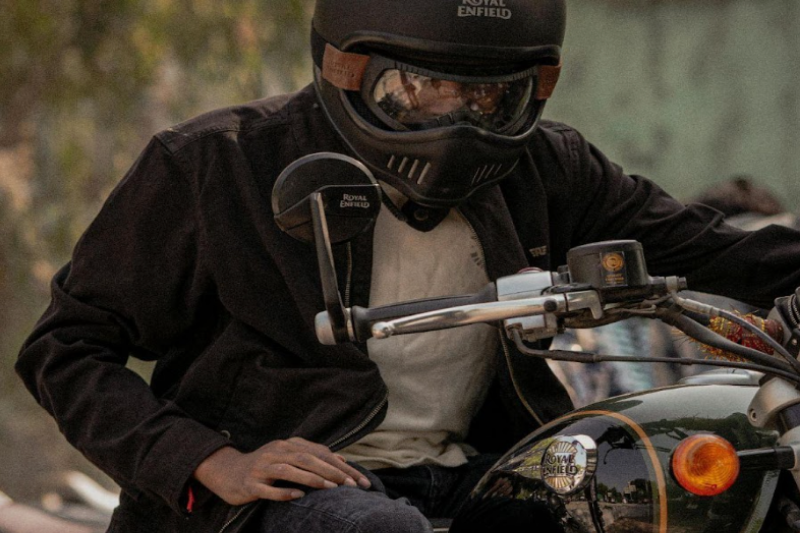

Cold weather riding presents unique challenges for motorcycle enthusiasts. Strong winds, dropping temperatures, and long hours on the road can quickly make a ride uncomfortable without the right outerwear. Riders often look for jackets that balance warmth, durability, and mobility without feeling bulky while controlling the bike.
Among the many jacket styles riders use, military bomber jackets have become increasingly popular for cold-weather motorcycle riding. Their combination of insulation, durability, and comfortable fit makes them an appealing option for riders who need dependable outerwear during colder rides.
The bomber jacket gets its name from its origins in military aviation. During the early 20th century, pilots flying bomber aircraft faced extremely cold temperatures at high altitudes. To keep them warm and protected, aviation jackets were designed with thick materials, insulated linings, and secure cuffs that helped trap heat inside.
These jackets eventually became known as bomber jackets and were widely used by military pilots. Over time, their rugged design and comfortable fit made them popular beyond aviation. Today, bomber jackets are worn in many settings, including outdoor work, casual wear, and motorcycle riding.
Motorcycle riders use different types of jackets depending on riding conditions, protection needs, and personal style. Some riders prefer classic leather biker jackets that offer abrasion resistance and an iconic motorcycle look. Others choose textile riding jackets with built-in armor, weatherproofing, and ventilation for touring or all-season use.
Bomber jackets have become another option, especially for riders who want warmth and flexibility during cooler rides. Their relaxed fit allows comfortable movement on the bike, while durable materials help block wind and maintain warmth.
Yes, a bomber jacket can be a practical choice for motorcycle riding, especially in cool or cold weather and for casual rides. The design helps riders stay warm while maintaining flexibility and comfort when handling the motorcycle.
Many riders appreciate bomber jackets because they offer a good balance between insulation and everyday wearability. Some military bomber jackets are built with strong materials and wind-resistant construction, which can help riders stay more comfortable in lower temperatures.
Not exactly. Bomber jackets are mainly designed for warmth and wind protection rather than heavy rain protection. Some bomber jackets use water-resistant fabrics that can handle light moisture, but they are not typically made to replace a dedicated motorcycle rain jacket.
Riders expecting wet weather should consider layering a waterproof shell over their bomber jacket or using dedicated rain gear for better protection during prolonged exposure to rain.
Yes, bomber jackets are especially well suited for cold weather. Their original aviation purpose was to keep pilots warm in harsh conditions, and many of those same features remain useful for riders today.
Bomber jackets typically include insulated linings that help retain body heat. Snug cuffs and waistbands help reduce cold air entry while riding at speed, making them a comfortable choice for short to medium rides in low temperatures.
| Feature | Bomber Jacket | Biker Jacket |
|---|---|---|
| Origin | Military aviation jacket designed for pilots | Motorcycle-specific jacket developed for road use |
| Materials | Usually nylon, polyester, leather, or insulated fabrics | Usually thick leather or armored textile |
| Fit | Relaxed fit with elastic cuffs and waistband | More structured and fitted for riding posture |
| Primary Purpose | Warmth, comfort, and wind resistance | Abrasion protection and rider safety |
| Best Use | Casual or cold-weather rides | Performance riding, everyday road protection, and longer trips |
Yes, especially for casual riding in cool or cold weather. It provides warmth and comfort, although it does not replace armored motorcycle gear for maximum protection.
They can be warm enough for mild to moderately cold riding conditions, especially when layered properly. For very cold rides, thermal base layers and windproof outer protection may still be needed.
Most bomber jackets are not fully waterproof. Some can resist light rain, but dedicated rain gear is better for wet-weather riding.
It depends on the purpose. A bomber jacket is better for casual comfort and warmth, while a biker jacket is generally better for protection and road-focused riding.
Military bomber jackets have stayed popular for decades because they combine warmth, durability, and comfort in a practical design. For motorcycle riders facing colder weather, they can offer reliable insulation and useful wind protection while keeping enough flexibility for everyday riding.
While they do not replace specialized armored riding gear, bomber jackets remain a versatile outerwear option for riders who want a warmer and more casual alternative for shorter cold-weather trips. Choosing the right layers and understanding the strengths of each jacket type helps riders stay more comfortable when temperatures drop.
Comments will be approved before showing up.